In this Story
Four Colorado Rural Collaboratives secured $2.44 million in federal funding over four years to expand and sustain college and career pathways for rural students.
State legislators visited three rural regions to see how districts work together to help students earn college credit and industry credentials close to home.
Empower Schools launched Cornerstone Collaboratives to give Colorado regions hands-on support in starting or strengthening partnerships across school districts.
This fall has been one of the most encouraging seasons I have seen for rural education in Colorado. In just two months, Rural Collaboratives across the state secured major federal investment, welcomed state legislators into their schools, and a group of regions stepped forward with interest in becoming model Rural Collaboratives for the state of Colorado.
If you are new to the idea, a Rural Collaborative is a formal partnership in which two or more districts share programs, staff, facilities, and partners across district lines. Working with colleges and local employers, they give students access to college credit, industry credentials, work-based learning, and career pathways that no single small district could offer on its own.
Here is what happened this school year, so far.
FOUR RURAL COLLABORATIVES WIN FEDERAL FUNDING
Four Colorado Rural Collaboratives were selected for the U.S. Department of Education's Rural Postsecondary and Economic Development (RPED) grant program, bringing a combined $2.44 million over four years to rural Colorado. The awardees are:
Southwest Colorado Education Collaborative (SWCEC)
Yampa Valley Partnership for Students, Stewardship, and Sustainability (YVPS3)
Western Slope Schools Career Collaborative (WSSCC)
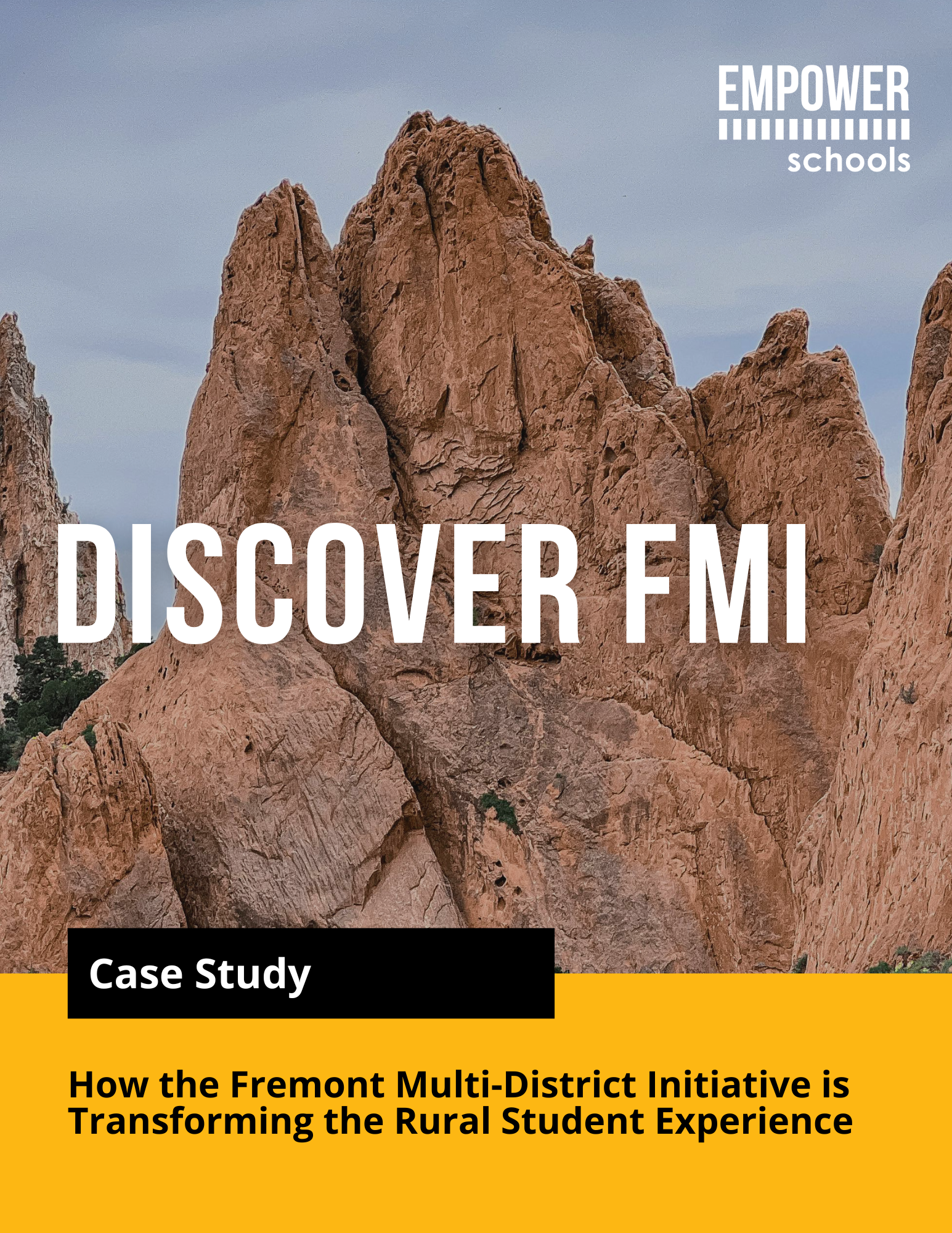
Fremont Multidistrict Initiative (FMI)
RPED is a competitive federal program that helps rural communities raise postsecondary enrollment and completion and connect students to careers that match their regional economy. That is exactly what these collaboratives were built to do.
Empower partnered with the collaboratives to write the application, but the strength of these proposals came from the regions themselves: district leaders who had already done the hard work of agreeing on shared priorities, and college and employer partners ready to commit. Federal reviewers saw what we see every day, which is these partnerships are organized, regionally owned, and ready to grow.
Four years of funding gives each collaborative the runway to move from launching pathways to sustaining them.
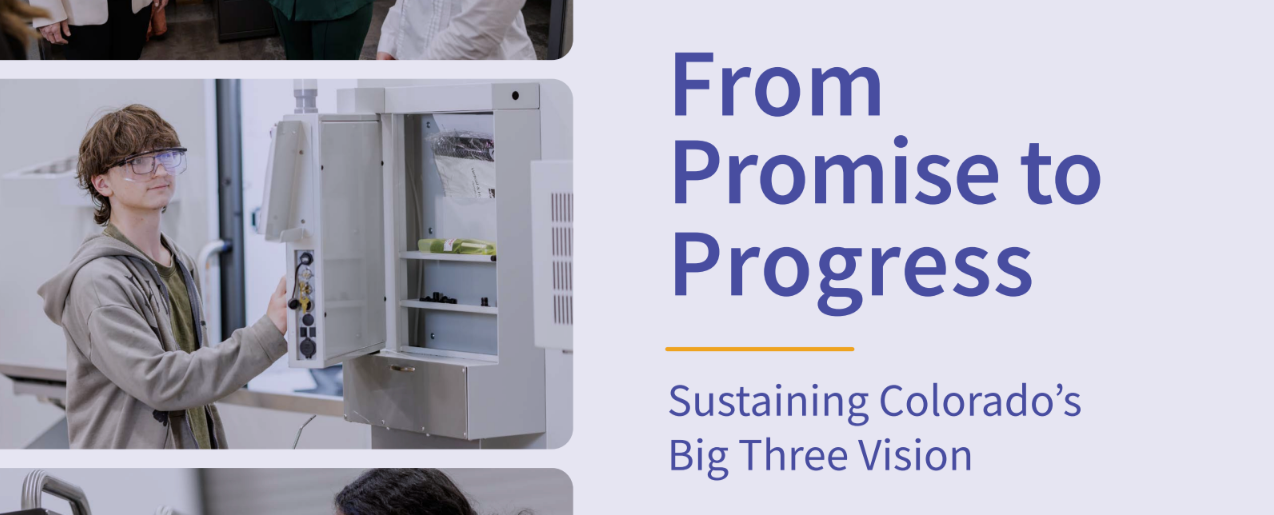
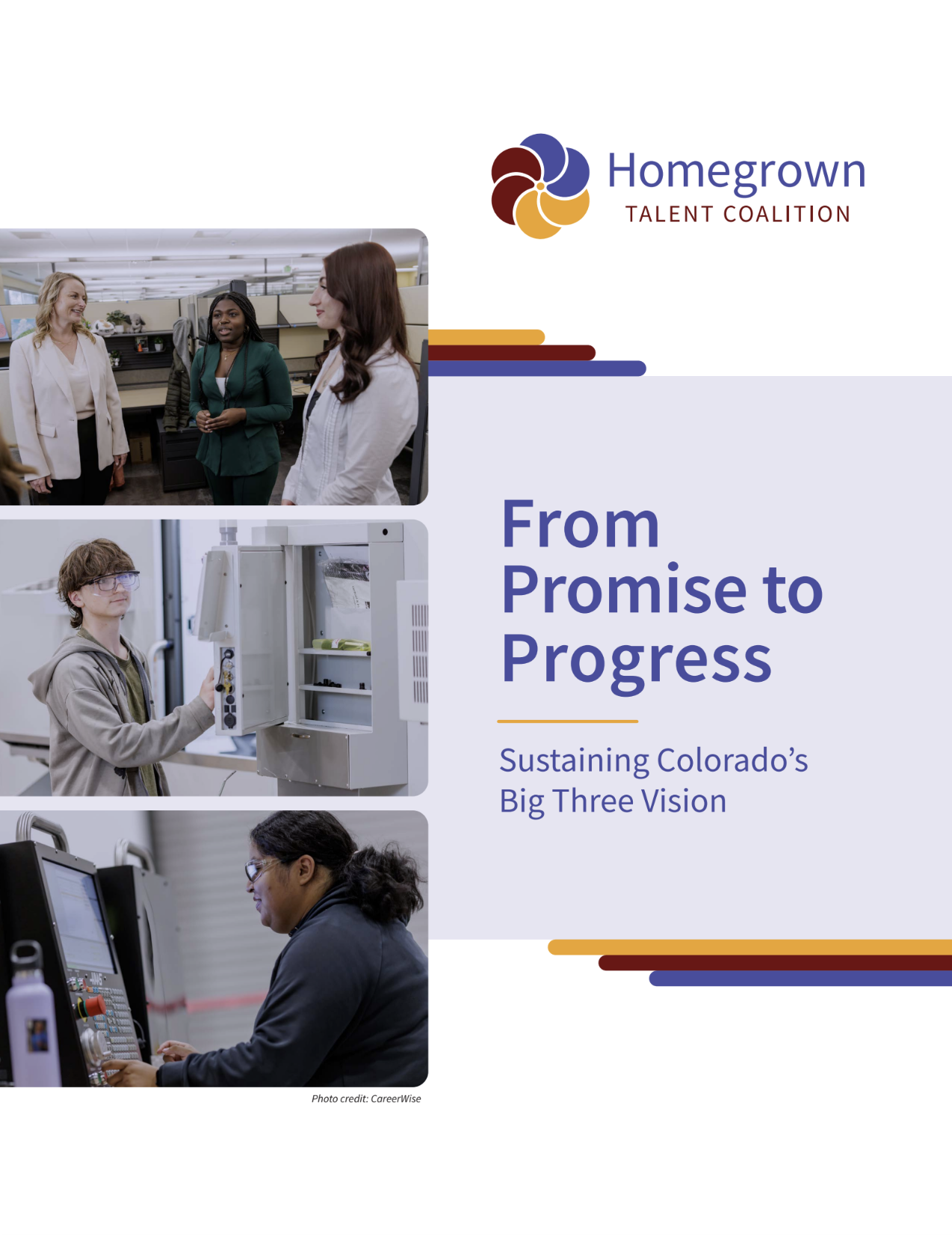
Read From Progress to Promise
Homegrown Talent Coalition reports how Colorado has built state systems that support the Big Three.
Legislators See the Work Firsthand
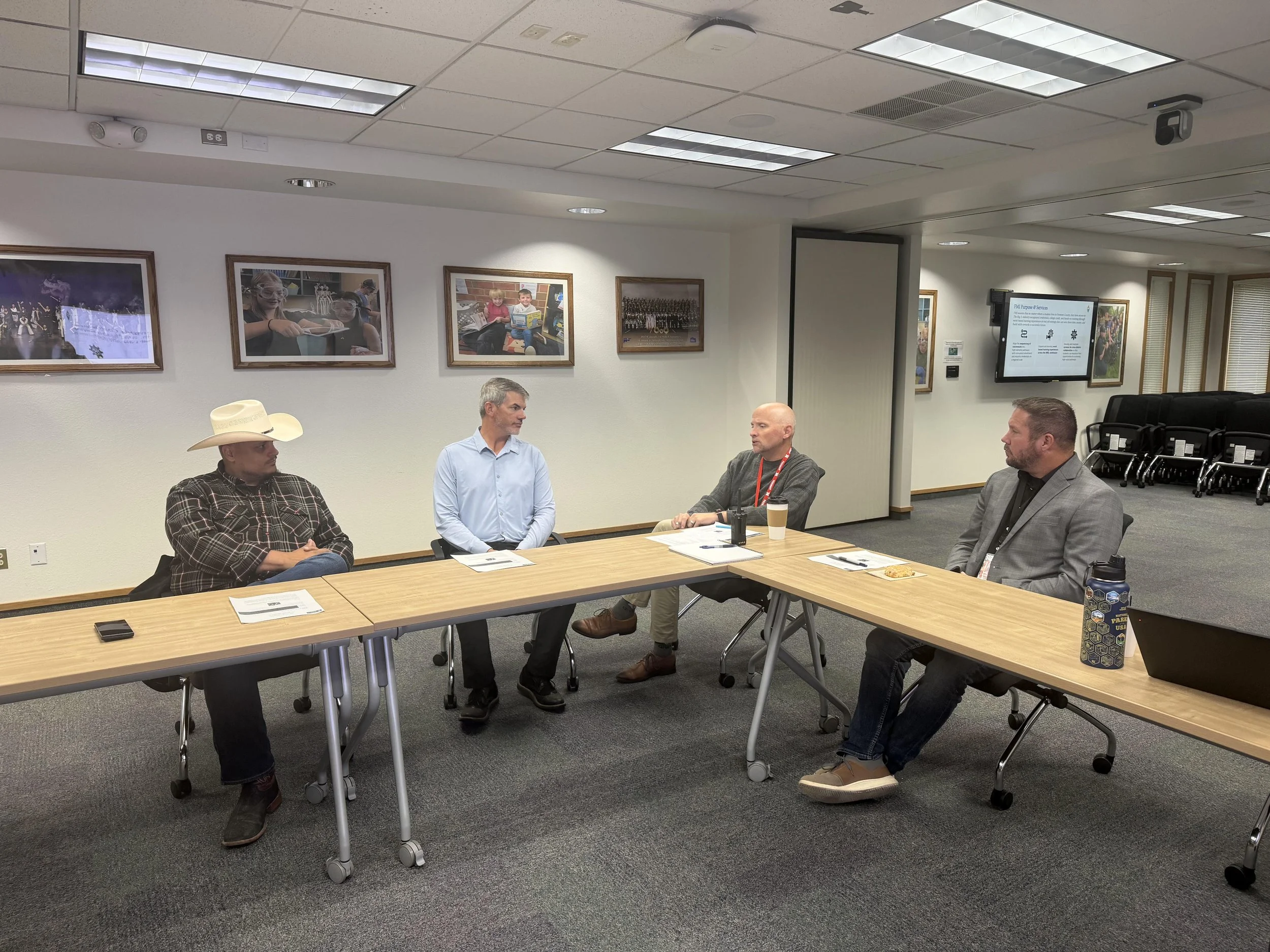
Policy that works for rural students starts with policymakers who have seen rural schools and regional collaboration up close. This fall we hosted three legislator visits across rural Colorado. On the Western Slope, we welcomed Representative Larry Don Suckla and newly-elected Representative Jason Bias. In the Yampa Valley, we hosted Representative Meghan Lukens. And in Fremont County, we welcomed newly elected Senator Teddy Collins.
On each visit, legislators met the educators, students, and partners who make Rural Collaboratives run.
These conversations matter because decisions made at the Capitol about funding, transportation, concurrent enrollment, and credentialing shape whether regional partnerships can last. When legislators see students earning college credit and industry credentials close to home, they understand why cross-district collaboration deserves support. We are grateful to every lawmaker who made the drive, and to the communities who opened their doors.

Cornerstone Collaboratives Launch in Colorado
This fall we launched Cornerstone Collaboratives in Colorado, a competitive designation and support opportunity for rural regions ready to launch a new Rural Collaborative or strengthen one already underway.
Selected regions receive hands-on support from Empower to organize the regional partnership, launch shared college and career pathways, and build the funding plans, operating routines, and data practices needed to sustain the work. They also learn alongside Rural Collaborative leaders in other states, trading practical tools and lessons from implementation.
The response has been strong and interviews are now underway. Each application represents a group of rural leaders who have looked at their communities, seen the strengths already there, and decided they can do more for students together than apart. Final selections will be made December 1, 2026.
What Comes Next
Rural Colorado is not waiting for solutions to arrive from somewhere else. Regions are organizing themselves, earning national investment, making their case to state leaders, and inviting new communities to join them.
Our job at Empower is to support that momentum and help it last. Over the coming months we will work alongside the four RPED collaboratives as they put their grants to work, continue building relationships with policymakers, and select and support the cohort of Cornerstone regions.
If your region in Colorado is interested in building a Rural Collaborative, we would love to hear from you. Learn more and complete the interest form.