In this Story
Rural Collaboratives help small districts share resources and build college and career pathways that would be difficult to offer alone.
New reports from the Progressive Policy Institute, JFF, and StriveTogether highlight the growing impact of these partnerships and the conditions they need to succeed.
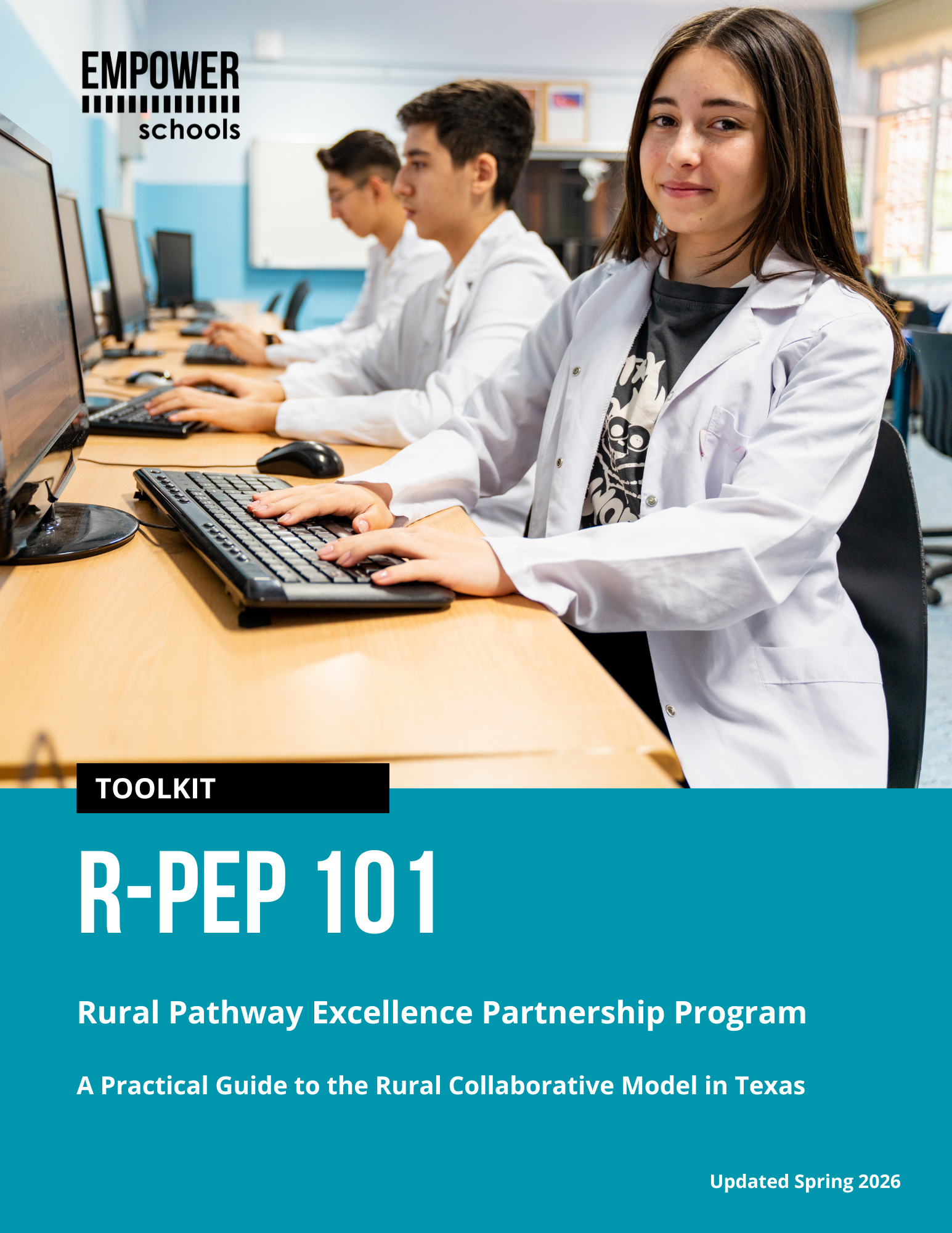
Texas is expanding Rural Pathway Excellence Partnerships, or R-PEP, which now reach 45 districts across 14 education service center regions.
A rural district may not have enough students to sustain a career pathway in health care, advanced manufacturing, or education on its own. It may not have a teacher for every specialized course or the funding to provide transportation, equipment, and advising alone.
Several districts working together can change that equation.
That idea is driving some of the most promising work in rural education. Districts are sharing staff, facilities, transportation, funding, and employer partnerships to give students access to college credit, industry credentials, work-based learning, and advising. They are creating opportunities that would otherwise be out of reach while helping students prepare for good jobs in the regions they call home.
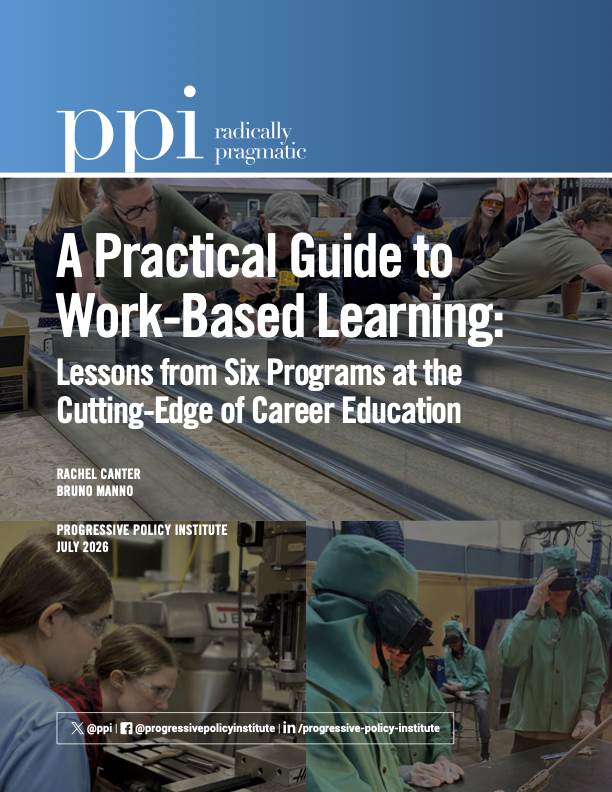
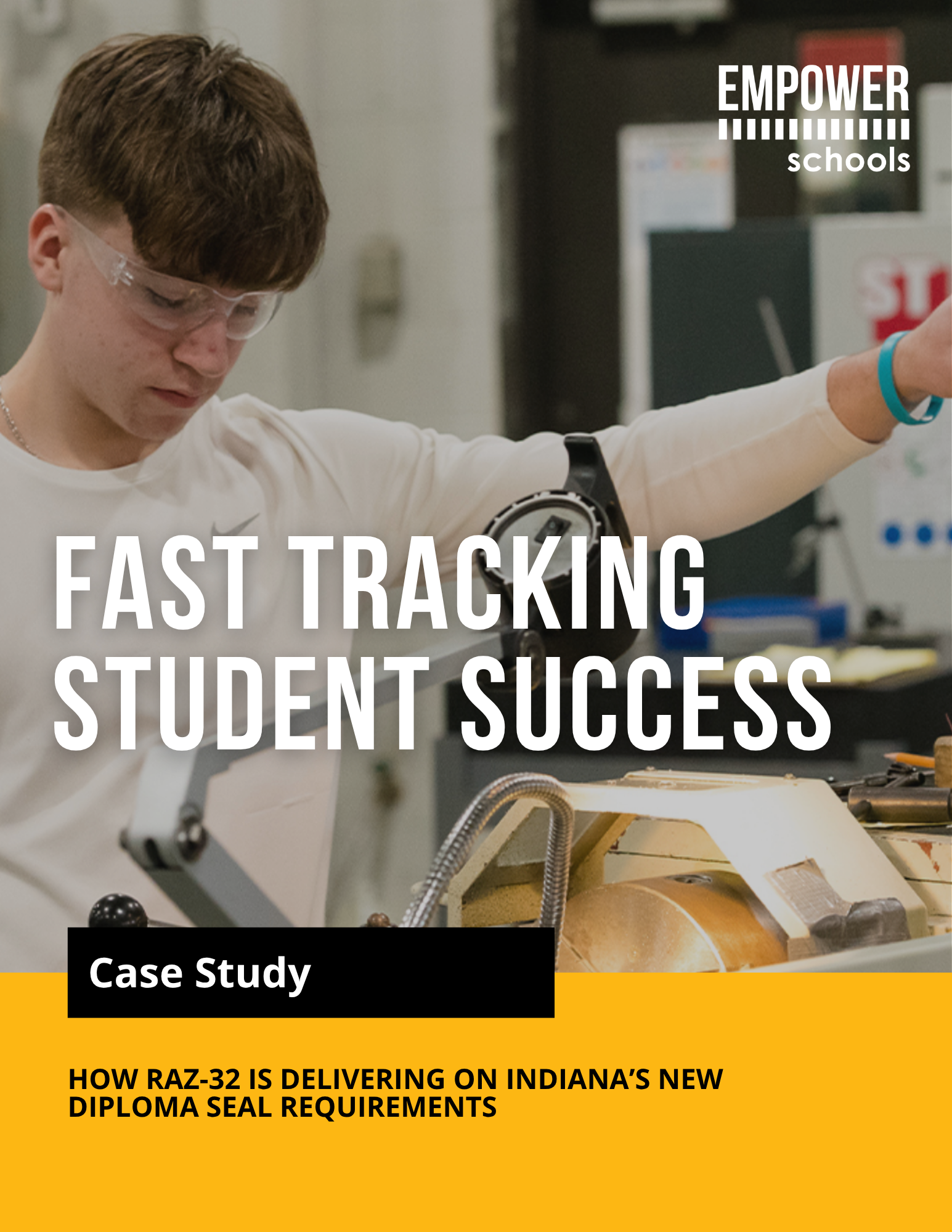
The field is paying attention. A new Progressive Policy Institute guide to work-based learning profiles six promising programs from across the country, including two rural collaboratives Empower Schools has helped launch: RAZ32 in Randolph County, Indiana, and the Fremont Multidistrict Initiative in rural Colorado.
Op-ed: The $50 Billion Rural Healthcare Opportunity States Can’t Afford To Miss
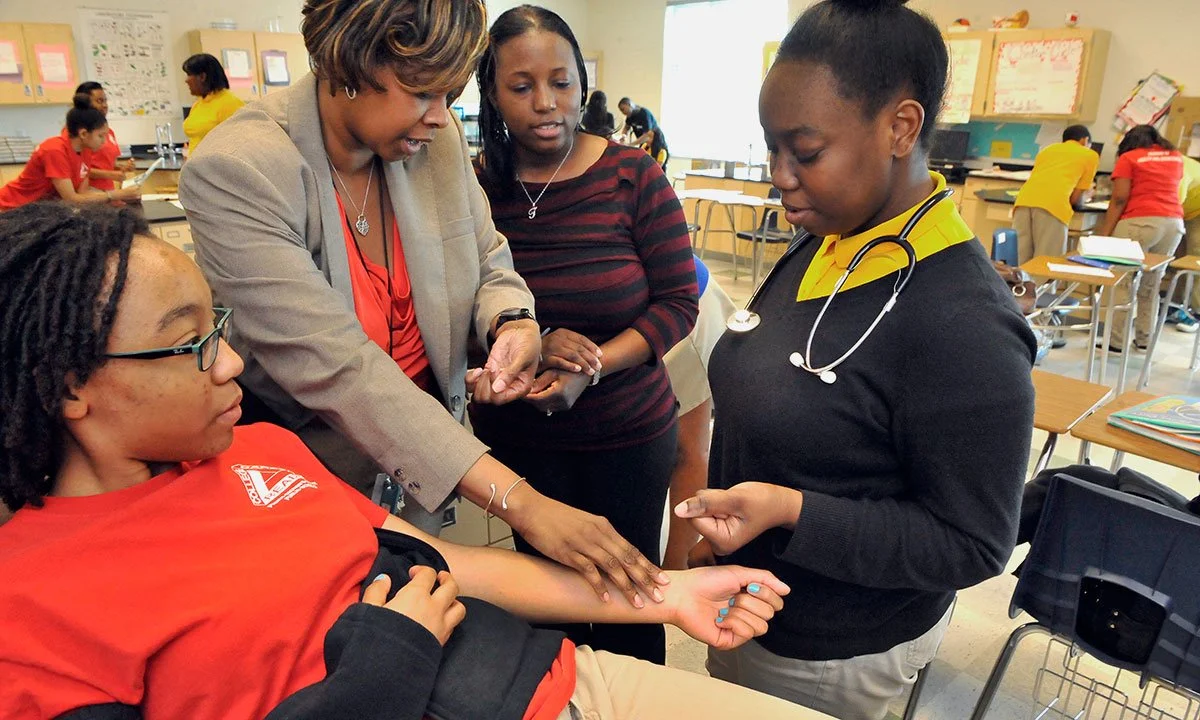
Alyssa Morton and Luke Rhine for The 74: States should use the new federal dollars to build a healthcare talent pipeline for rural communities, starting in high school.
A recent LAUNCH report from JFF reaches a similar conclusion. Regional collaboratives can expand what is possible for students, but states play an important role in helping them take root and last.
The Commission on Purposeful Pathways’ new action guide from StriveTogether makes those conditions more concrete. It highlights Texas’s Rural Pathway Excellence Partnership Program (R-PEP),as well as specific Rural Collaboratives such as the Rural Schools Innovation Zonein Texas and the Southwest Colorado Education Collaborative in Colorado, as models demonstrating what strong rural pathways require. Shared governance, flexible funding, supportive policy, and strong implementation support all matter.
Texas is showing what it looks like when a state puts those pieces together.
This month, the Texas Education Agency and Governor Abbott announced the first recipients of the R-PEP Planning and Expansion grants. Seventeen awards totaling more than $2.5 million will help communities at two important stages of the work. Planning grants will give prospective partnerships the time and support to design strong collaboratives from the beginning. Expansion grants will help existing partnerships welcome more districts and create more pathways.
With this round of funding, R-PEP now reaches 45 districts across 14 of Texas’s 20 education service center regions.
Those numbers represent real opportunities for rural students. Each partnership is building clear, supported pathways that combine college credit, industry credentials, work-based learning, and advising. Just as important, local leaders are designing those pathways around the industries, assets, and needs of their own communities.
What Texas got right was not inventing a model in Austin and asking rural communities to adopt it. The work began with the Rural Schools Innovation Zone, where local leaders built a solution to a challenge they understood firsthand. Their success showed what was possible and helped inspire a model that could be supported through state policy.
Turning that local model into a statewide opportunity took many hands. Legislators codified it. The Governor’s Office and Lieutenant Governor’s Office championed it. TEA built and now administers the program. Advocates, funders, higher education institutions, employers, and community partners helped make the case and continue to support the work.
Most of all, district leaders, practitioners, and students have done the difficult work of building something together.
Empower Schools is proud to have played a role, but no single organization can claim this milestone. Its strength comes from the number of people and institutions that saw the potential in rural collaboration and helped move it forward.
Other states should pay attention to the larger lesson. Rural collaboratives need more than encouragement. States can help communities succeed by creating supportive policy, offering meaningful incentives, and investing in the coordination and implementation capacity these partnerships require.
For Texas districts and coordinating entities interested in R-PEP, the next funding opportunity will be available this fall through TEA’s consolidated LASO grant application. Our team is ready to help communities think through what they could build together.
Reach out to get support applying for Texas R-PEP Designation or to get Texas benefits for your school or district.