
Unlock rural collaboration to expand regional opportunity.
Cornerstone Collaboratives is a competitive designation and support opportunity for rural regions ready to launch a cross-district collaborative or strengthen one already underway.

The opportunity
Build a Rural Collaborative around the strengths of a region.
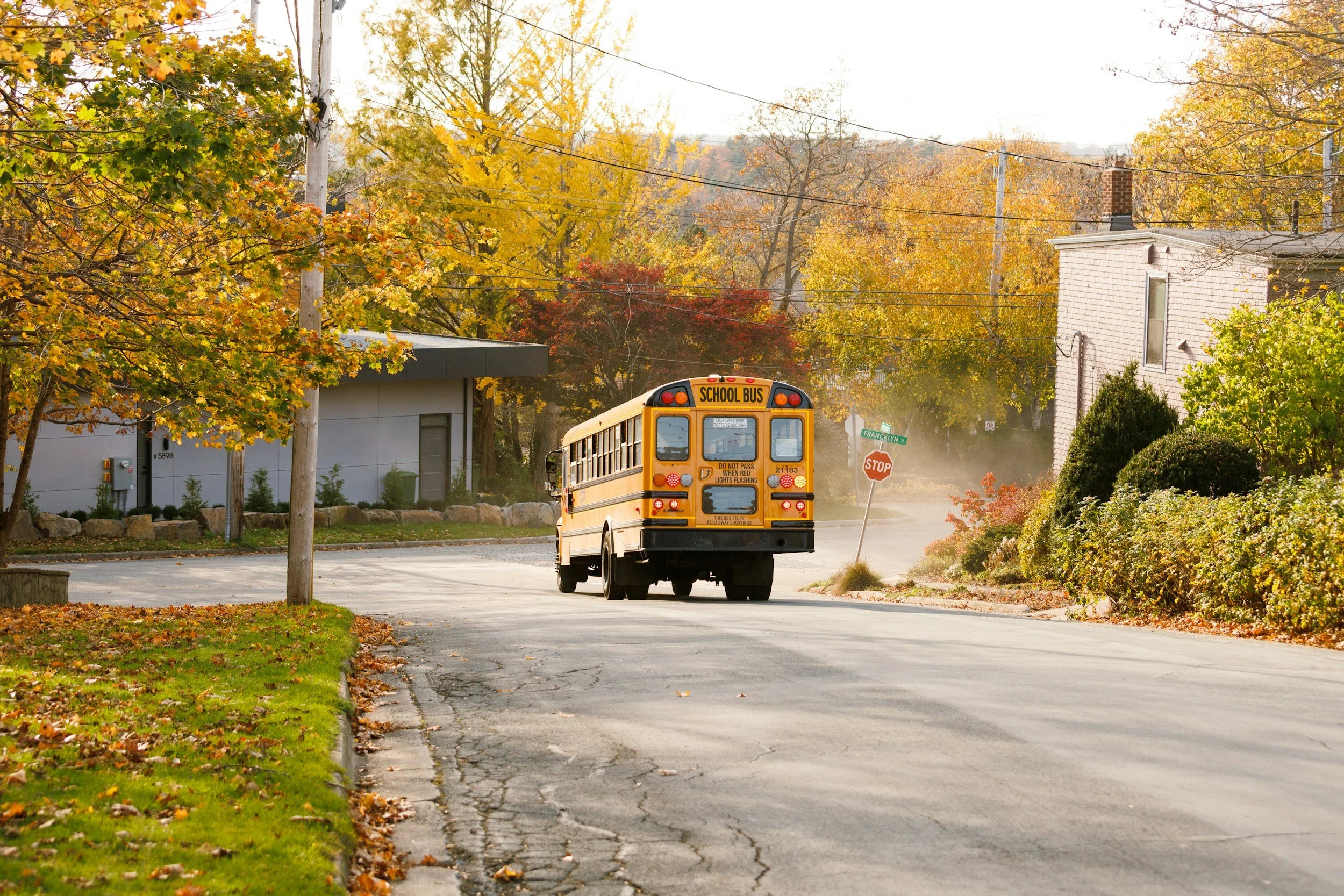
Rural communities bring deep local knowledge, strong relationships, and distinct economic strengths. Through Cornerstone Collaboratives, regions connect those assets across district lines so more students can access shared college and career pathways.
Selected communities will launch a new Rural Collaborative or strengthen one already underway. Each Rural Collaborative is a formal regional partnership that expands access to college credit, industry credentials, work-based learning, and high-quality career pathways before graduation.
How a Rural Collaborative works
One regional partnership. Four connected roles.
A Rural Collaborative brings districts and regional partners into one shared structure so they can design, deliver, and sustain pathways together.
Participating school districts
Two or more districts combine programs, staffing, facilities, and student access to make regional pathways available.
Coordinating entity
A trusted regional organization convenes partners, manages implementation, maintains shared agreements, and keeps the work moving.
Turns regional strengths into pathways students can access across district lines.
Higher education and CTE partners
Colleges and technical partners co-design pathways, provide college credit or credentials, and connect students to continued learning.
Employers and industry partners
Regional employers identify talent needs, shape relevant experiences, and create work-based learning and career connections.
What selected communities receive
Empower works alongside regional leaders to organize the partnership, launch shared college and career pathways, and put the structures in place to sustain the work.

Bring participating districts, a coordinating entity, colleges, and employers into one working structure with clear roles, decision-making authority, and formal agreements.
Turn regional priorities into opportunities for students to earn college credit and industry credentials, participate in work-based learning, and pursue high-quality career pathways across district lines.
Build the funding plan, operating routines, shared data practices, and state-level support needed to keep the Rural Collaborative working and improving over time.
Selected communities also learn alongside Rural Collaborative leaders in other states, exchanging practical tools, working examples, and lessons from implementation.
Build what’s next for your region.
Tell us about your region and your interest in Cornerstone Collaboratives.