
Resources
Empower Schools is dedicated to supporting leaders on a mission to improve outcomes for students.
These resources are designed for district, state, policy, and community leaders. Explore toolkits, case studies, reports, white papers, and guides that advance Innovation Schools, Rural Innovation, and Early College and Career Pathways.
Featured Resource
This national report examines the state-level policies that enable innovative, high-quality, durable district schools through Innovation Schools. It includes a policy framework and recommendations, plus a state-by-state analysis of how well current policies create enabling conditions for school-level innovation.
Unlocking Student and Educator Empowerment

Explore Resources by TopIc
Find Empower Schools reports, toolkits, case studies, white papers, and guides by topic, state, or format.
Use the filters below to browse resources on Innovation Schools, Rural Collaboratives, Early College and Career Pathways, and state-specific work.
Resource Hub
Empower Schools Annual Report 2025-26
Empower Schools’ 2025-26 Annual Report explores how we partnered with champions across the country to build the schools communities want and students deserve. As Empower’s annual report highlights work across Innovation Schools, Rural Collaboratives, and Early College and Career Pathways.
Rural Pathway Excellence Partnerships: How Texas Is Transforming Rural Education
Empower Schools’ practical guide to Rural Pathway Excellence Partnerships, a Texas model that helps rural districts work together to expand college and career pathways. The guide explains how policy, funding, higher education partnerships, and workforce collaboration can support rural students and communities.
Texas Partnerships Toolkit
Empower Schools created the Texas Partnerships Toolkit, bringing together statewide data, local examples, and practical tools to help communities understand how Texas Partnerships work, what they are accomplishing, and what high-quality implementation can look like.
A Practical Guide to Work-Based Learning
This national guide examines six work-based learning programs and the policies, partnerships, staffing, funding, and infrastructure that help career-connected learning succeed. Four of the featured programs are supported by Empower Schools.
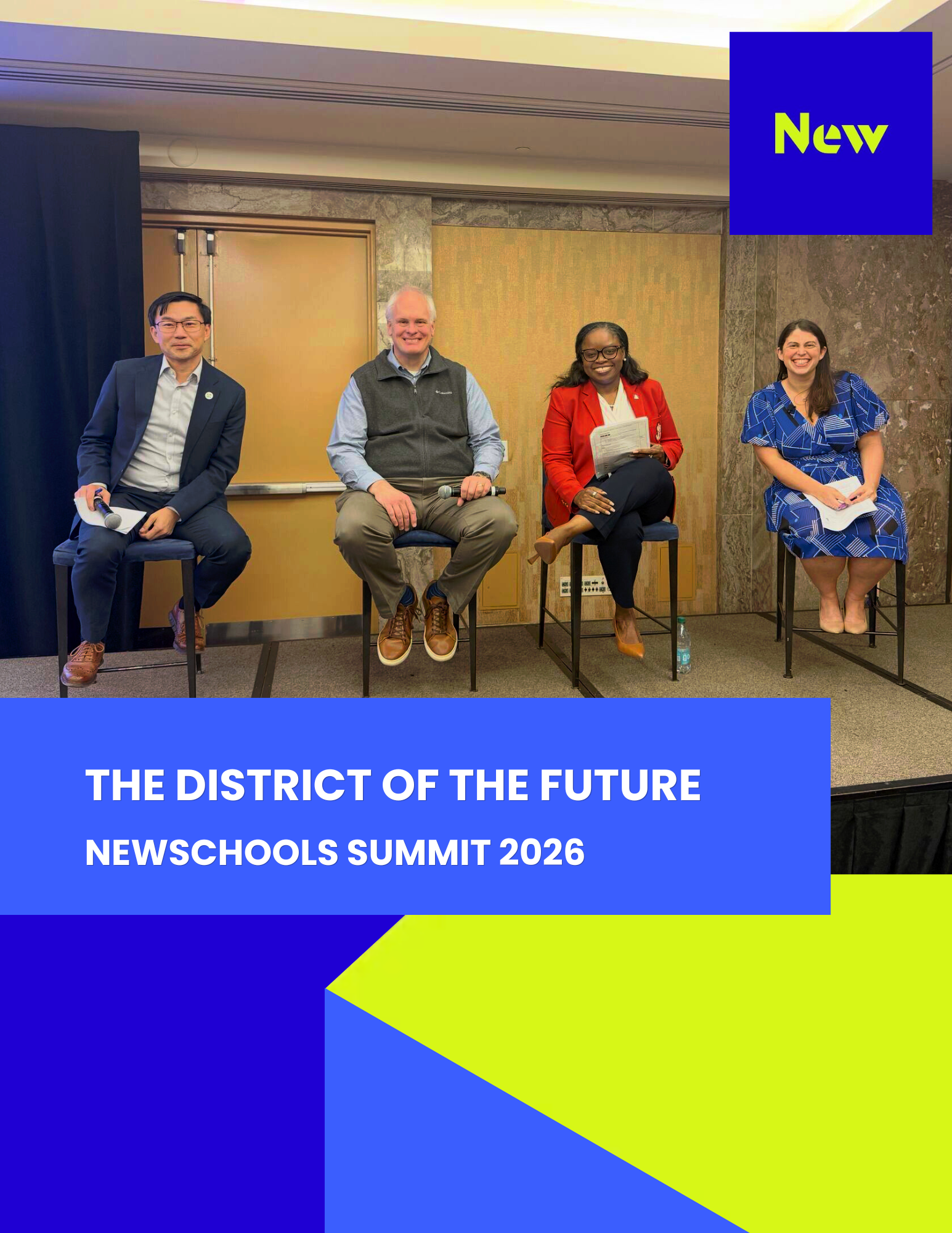
The District of the Future
Empower Schools CEO and Partner Alyssa Morton planned and moderated this NewSchools Summit 2026 conversation with leaders from NYC Public Schools, Aldine ISD, and Sumner County Public Schools. The panel explores career-connected learning, AI, student voice, philanthropy, facilities, and the leadership required to scale innovation across districts.

Fast Tracking Student Success: How RAZ-32 Is Delivering on Indiana’s New Diploma Seal Requirements
In Fast Tracking Student Success, Empower Schools examines how Rural Alliance Zone-32 in East Central Indiana uses cross-district collaboration, shared career pathways, and employer partnerships to help rural students meet new diploma seal requirements. The case study highlights work-based learning, credentials of value, student-run enterprises, and regional pathway design.

Discover FMI: How the Fremont Multi-District Initiative Is Transforming the Rural Student Experience
In Discover FMI, Empower Schools examines how the Fremont Multi-District Initiative in Colorado expands rural student access to career pathways, industry certifications, and on-the-job training. The case study highlights how rural districts can collaborate across communities to create more equitable opportunities tied to high-wage, high-demand careers.

Leadership as a Practice: How Distributed Leadership Creates Shared Accountability
In Leadership as a Practice, Empower Schools and Teacher-Powered Schools examine how Denver Green School-Northfield uses distributed leadership, teacher agency, and Innovation Zone flexibility to create shared accountability. The case study highlights how the Luminary Learning Network supports collaborative decision-making, school-level autonomy, and continuous improvement.

Raising the Bar: How Elevated Teacher Expectations Drive Student Achievement
In Raising the Bar, Empower Schools and Teacher-Powered Schools examine how Cold Spring School in Indianapolis uses Innovation Network School flexibility to strengthen instructional culture and student outcomes. The case study explores how strategic hiring, professional learning communities, budget flexibility, and teacher-led accountability support a STEM and environmental science model.

Revolutionary Collaboration: Transforming Teacher Roles to Drive Regional Outcomes
In Revolutionary Collaboration, Empower Schools and Teacher-Powered Schools examine how the Washtenaw Educational Options Consortium in Ypsilanti, Michigan uses shared leadership, teacher-powered practices, and regional collaboration to expand public school options. The case study highlights how consortium governance, flexible scheduling, and educator decision-making support student-centered learning across districts.

Flexibility and Sustainability: Driving Reimagined Teacher Roles
In Flexibility and Sustainability, Empower Schools and Teacher-Powered Schools examine how Duggan Academy in Springfield, Massachusetts reimagined teacher leadership through the Springfield Empowerment Zone Partnership. The case study explores how school-level flexibility, shared decision-making, and a Teacher Leadership Team helped formalize educator voice and sustain school improvement.

Texas Partnerships with the Leadership Academy Network
In Texas Partnerships with the Leadership Academy Network, Empower Schools examines how Fort Worth ISD and Texas Wesleyan University used a Texas Partnership under SB 1882 to sustain and strengthen the Leadership Academy Network. The case study highlights school-level autonomy, data-driven instruction, teacher development, extended learning time, and community-based supports.

Empower Schools Annual Report 2024-25
Empower Schools’ 2024-25 Annual Report shares progress, partnerships, and impact from a year of work with communities, school systems, policymakers, and partners. As Empower’s first official annual report, it highlights work across Innovation Schools, Rural Collaboratives, and Early College and Career Pathways.

Apprenticeship and Rural Colorado: Exploring Benefits, Barriers, and the Role of Regional Intermediaries
Empower Schools’ Apprenticeship and Rural Colorado report explores how youth apprenticeship can expand college and career pathways, strengthen local talent pipelines, and support economic development in rural communities. The report highlights apprenticeship models, employer roles, healthcare pathways, and the role Rural Collaboratives can play as regional intermediaries.

Colorado Rural Collaboratives: Catalyzing Career Pathways with Regional Intermediaries
Empower Schools’ Colorado Rural Collaboratives guide helps rural communities understand how regional intermediaries can expand college and career pathways across districts. The guide explains how Rural Collaboratives connect school districts, higher education institutions, employers, and community partners to build shared opportunities for students.

Innovation in Action
Empower Schools Partner Matt Matera speaks with educators from the Leadership Academy Network about how an SB 1882 partnership between Fort Worth ISD and Texas Wesleyan University supports teacher retention, professional growth, instructional flexibility, and stronger student outcomes.

Unlocking Student and Educator Empowerment: The Promise of Effective Innovation School Policy
Empower Schools’ report on Innovation School policy examines how state laws can create enabling conditions for school-level innovation. The report analyzes policy design, school autonomy, educator empowerment, accountability, and sustainability, with recommendations for states seeking to support high-quality, durable Innovation Schools.
Pathways to College and Career: Advancing Colorado’s Homegrown Talent Coalition to Lead and Sustain Complex Change
Pathways to College and Career outlines a statewide collaboration model for expanding access to college and career pathways across Colorado. The report focuses on the Homegrown Talent Coalition, shared data, policy alignment, pathway implementation, and the conditions needed to help more students earn credentials, college credit, and work-based learning.

What’s More Bipartisan than Rural Career Pathway Initiatives?
State lawmakers and rural education leaders examine how shared career pathways, sustainable funding, and cross-district collaboration can expand opportunity for rural students.
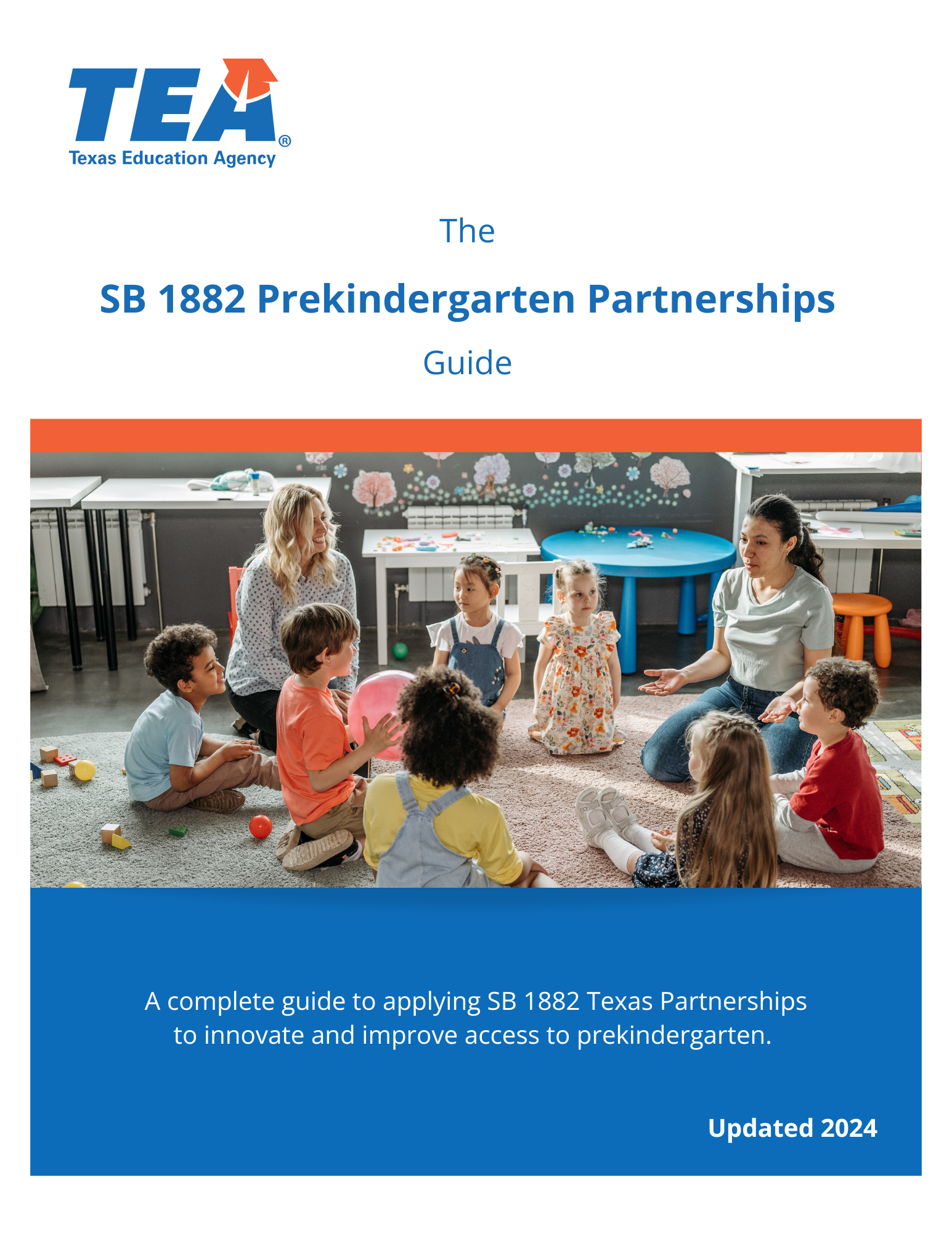
The SB 1882 Prekindergarten Partnerships Guide
Created and published by the Texas Education Agency in partnership with Empower Schools, this guide walks Texas districts through assessing community need, selecting a pre-K partnership structure, combining funding sources, authorizing an operating partner, and meeting staffing, enrollment, and regulatory requirements.
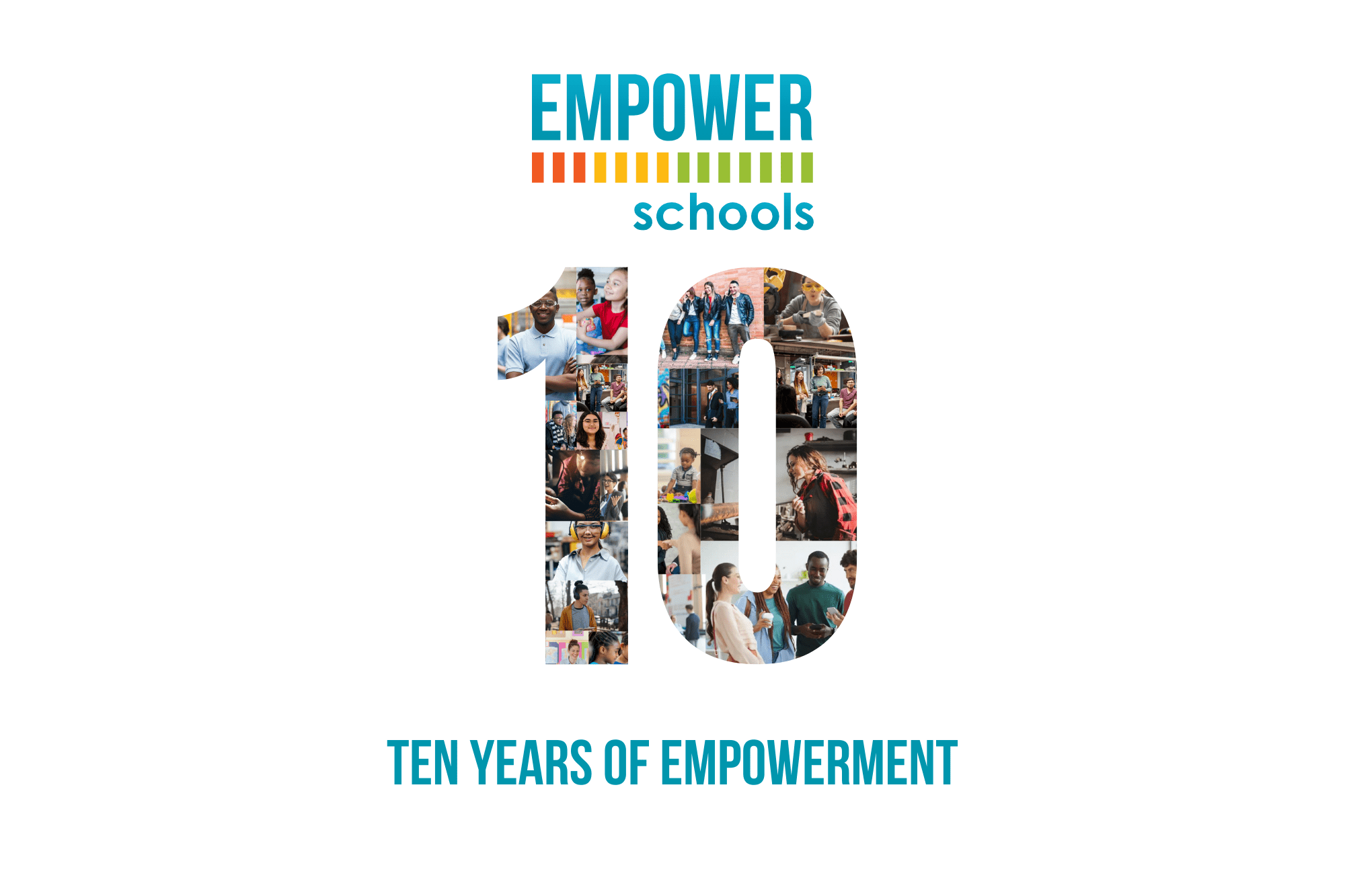
Ten Years of Empowerment
Ten Years of Empowerment is Empower Schools’ retrospective magazine celebrating a decade of work with communities across the country. The resource shares Empower’s story, timeline, partnerships, and evolution as an organization supporting school system innovation, policy change, and expanded student opportunity.

Making Collaboration Count
This SXSW EDU panel brings together rural education leaders from Texas, Colorado, and Indiana. They share how Rural Collaboratives help districts pool resources, expand college and career pathways, coordinate with employers and higher education, and preserve opportunity within rural communities.

Elevating Rural Colorado
Elevating Rural Colorado shares five years of investment, learning, and partnership focused on improving outcomes for rural students and communities in Colorado. The report highlights lessons from rural education work, regional collaboration, and efforts to strengthen opportunity through local capacity, shared strategy, and sustained support.
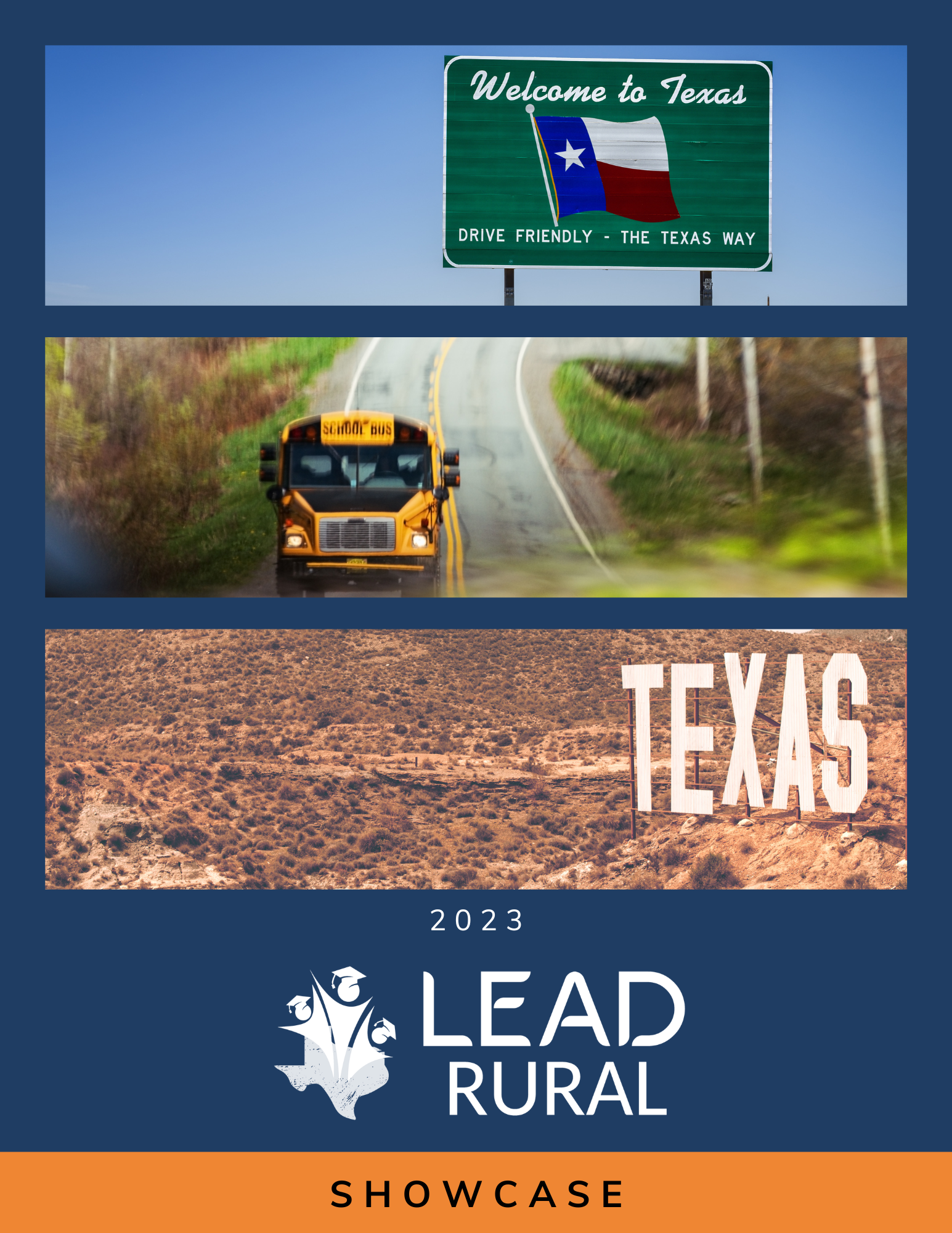
LeadRural Showcase
Rural Texas education leaders share the challenges they are working to solve, the ideas they are developing, and how the LeadRural Fellowship helps leaders learn across communities and expand opportunity for rural students.
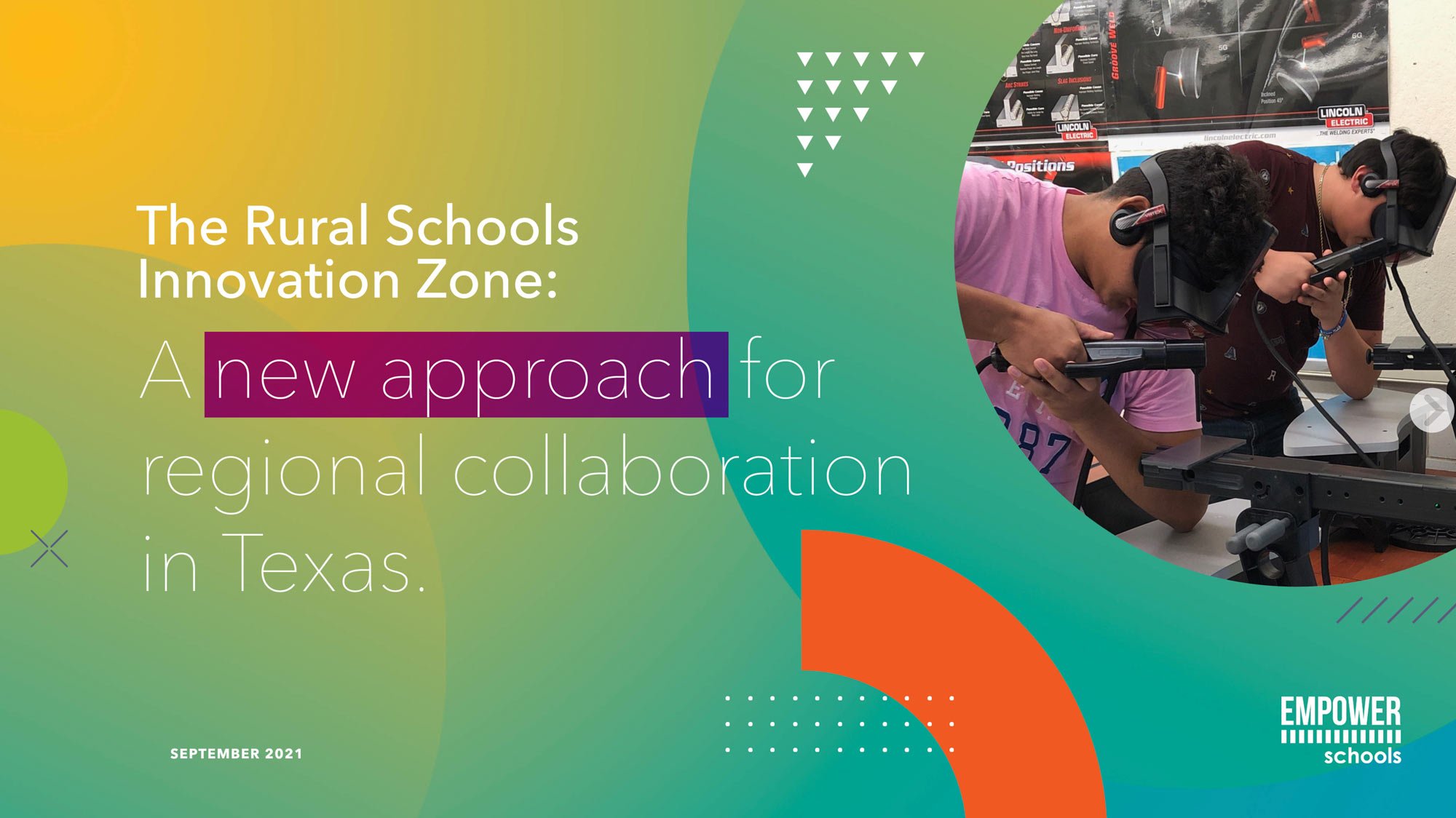
Rural Collaborative Toolkit
The Rural Collaborative Toolkit is a step-by-step guide for planning, designing, implementing, and sustaining rural school collaboratives. The toolkit helps rural leaders build shared vision, governance, partnerships, funding, implementation plans, and long-term systems of support for cross-district collaboration.

Support for Rural Colorado Schools
Support for Rural Colorado Schools examines how philanthropy and districts came together to serve students during and after the COVID-19 pandemic. The resource highlights the needs of rural Colorado schools, promising practices from early responses, and opportunities for funders to support rural communities.

The Third Way: A Guide to Implementing Innovation Schools
The Third Way is a guide to implementing Innovation Schools and creating autonomous, accountable district schools. The resource explains how districts can give schools real flexibility over staffing, budget, curriculum, and operations while maintaining public accountability and creating conditions for innovation.
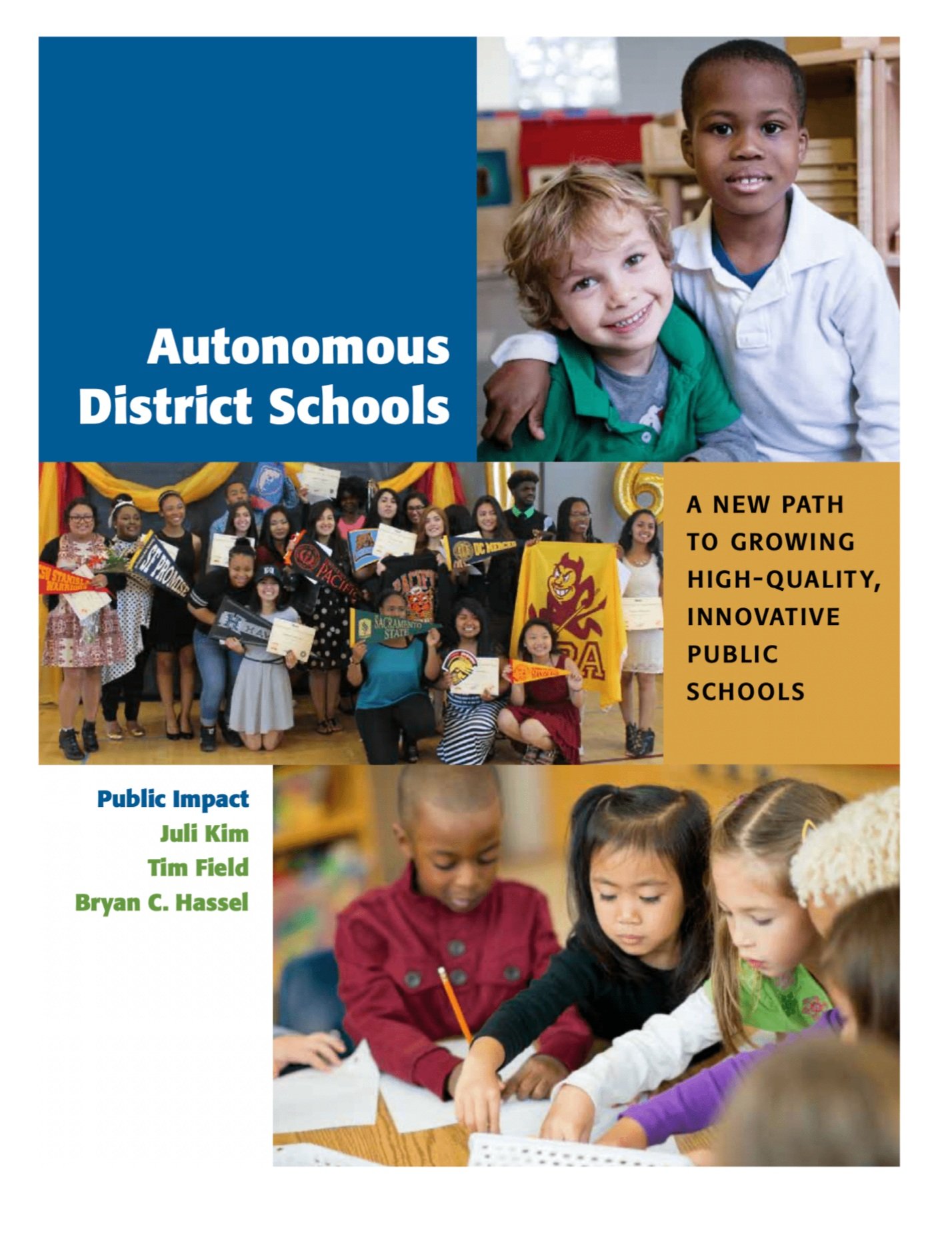
Autonomous District Schools: A New Path to Growing High-Quality, Innovative Public Schools
Autonomous District Schools examines how U.S. school districts can create autonomous district schools that provide flexibility, accountability, and innovation at scale. The report explores how autonomous district school models differ from traditional district and charter schools and what districts should consider when designing them.

Denver’s Luminary Learning Network
Denver’s Luminary Learning Network examines how a group of Denver public school leaders pursued greater autonomy over decision-making, finances, and operations for Innovation Schools. The case study highlights governance, district partnership, and the conditions that supported a new approach to school-level flexibility.
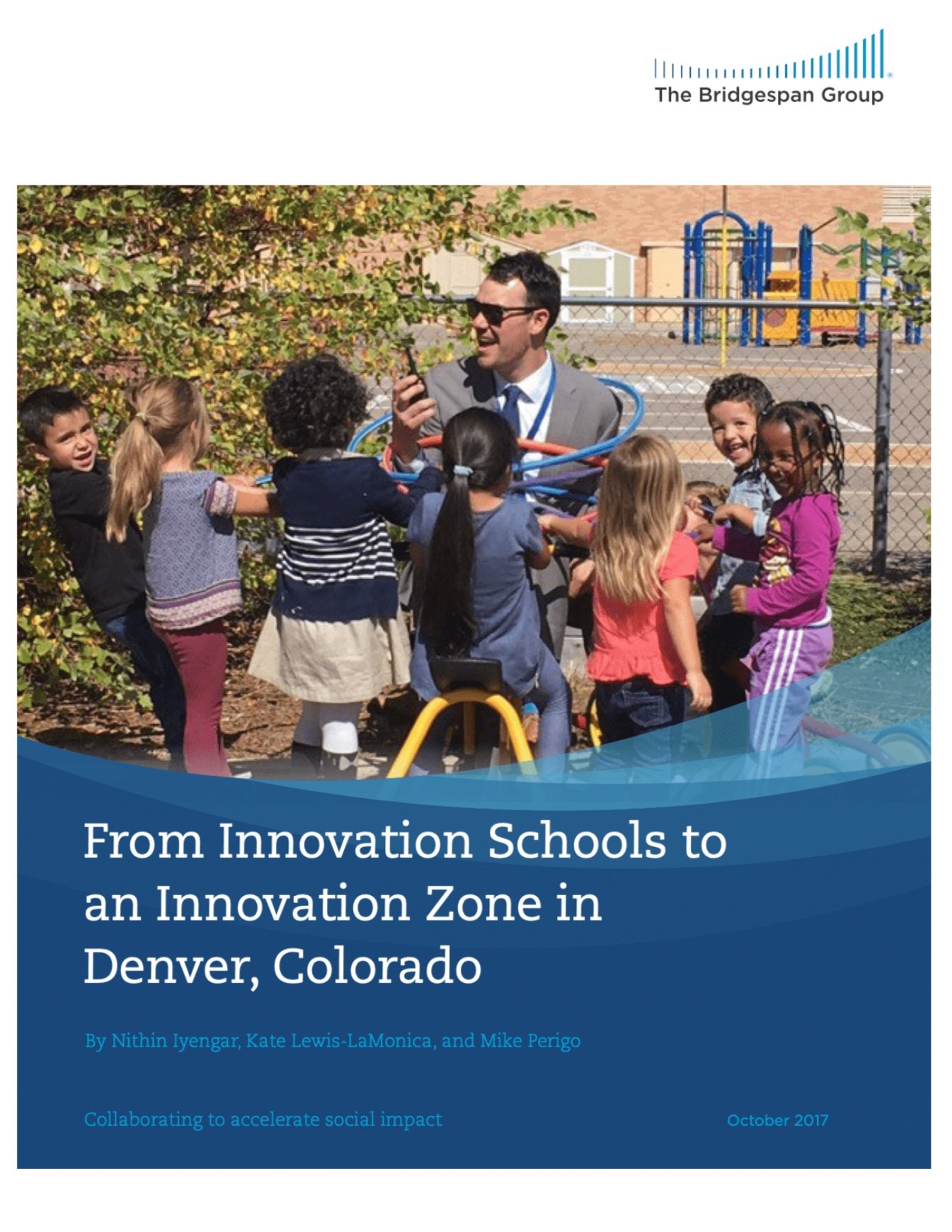
From Innovation Schools to an Innovation Zone in Denver, Colorado
From Innovation Schools to an Innovation Zone in Denver, Colorado explores the design features of Innovation Zones and the early development of Denver’s model. The resource highlights how school-level autonomy, governance, and partnership structures can help protect innovation inside public school systems.

The “City of Firsts” Charts a New Path on Turnaround
The “City of Firsts” Charts a New Path on Turnaround examines the Springfield Empowerment Zone Partnership as a turnaround strategy and governance model in Springfield, Massachusetts. The resource explores how SEZP created a new path for school improvement through autonomy, accountability, and partnership.
Get the Toolkit
The Rural Collaborative Toolkit
A guide for planning, designing, implementing, and sustaining success phases of creating and managing rural school collaboratives.

