Leadrural Showcase
Empower SChools 2023
At the LeadRural Fellows Showcase and Celebration, rural education leaders examine how collaboration, workforce investment, place-based learning, and policy can expand opportunity for students in small communities.
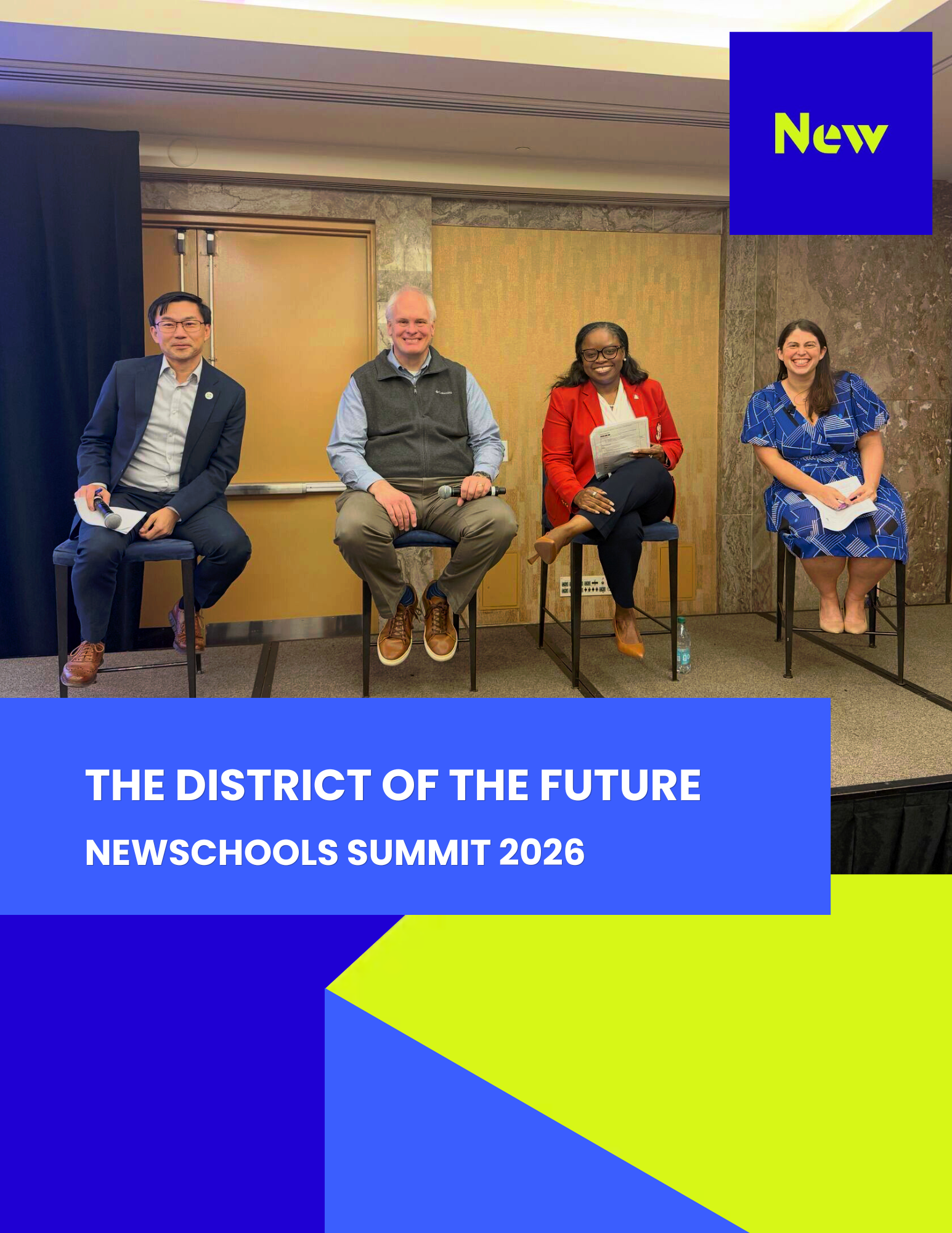
LeadRural Fellow Lawana Pulliam of Canadian ISD opens by sharing how the fellowship helped leaders move from working in isolation to learning from peers, visiting innovative rural programs, and developing solutions they could adapt at home. LeadRural Fellow Enrique “Rick” Ruiz of Tuloso-Midway ISD then moderates a conversation with Dr. Amy Azano of Virginia Tech, former Texas Workforce Commissioner Julian Alvarez, and Chris DeWitt of the Texas Education Agency.
Together, the speakers explore what rural communities can accomplish when schools, higher education, workforce organizations, policymakers, and local partners combine their expertise and resources.
Speakers
Lawana Pulliam, LeadRural Fellow and district leader, Canadian ISD
Enrique “Rick” Ruiz, moderator, LeadRural Fellow, and district leader, Tuloso-Midway ISD
Dr. Amy Azano, rural education scholar and founding director of the Center for Rural Education at Virginia Tech
Julian Alvarez, former Commissioner Representing Labor, Texas Workforce Commission
Chris DeWitt, Director of System Support, Texas Education Agency
Garrett Landry, founder, Steady State Impact Strategies
Video highlights:
1:28 | What rural leaders gain from learning together: Lawana Pulliam describes how relationships, collaboration, site visits, and advocacy helped LeadRural Fellows overcome the isolation that can make innovation difficult in small districts.
6:56 | Turning a site visit into a regional partnership: Pulliam explains how seeing the Rural Schools Innovation Zone in action inspired Canadian ISD to invite neighboring districts to explore sharing career pathways, teachers, students, and costs.
12:49 | Helping rural students see themselves as community leaders: Dr. Amy Azano connects her own rural upbringing to her work using place-based learning to challenge negative narratives about rural communities and develop local talent.
22:05 | Building lasting infrastructure for rural education: Azano shares how Virginia Tech created its Center for Rural Education, why universities must provide sustainable institutional support for rural work, and how programs such as SEE VT connect young students with college while reinforcing their ties to home.
26:52 | Connecting rural students to workforce opportunities: Julian Alvarez discusses career and technical education, pre-apprenticeships, industry credentials, workforce grants, accessible driver education, and shared regional training programs developed in response to ideas from rural communities.
32:37 | How state agencies can help successful models spread: Chris DeWitt explains how the Texas Education Agency identifies promising local approaches, supports implementation through initiatives such as the School Action Fund and rural P-20 redesign, and helps other communities adapt what is working.
36:05 | Advice for advancing rural education: The panel urges rural leaders to show policymakers how policies affect rural communities, advocate with concrete local examples, develop credentials connected to regional jobs, and tell the stories of programs already succeeding.
Best for: Rural district and school leaders, education service centers, workforce and higher education partners, policymakers, community organizations, funders, and anyone working to expand educational and career opportunities in rural communities.