What's More Bipartisan Than Rural Career Pathway Initiatives?
PPI and the 74
Hosted by the Progressive Policy Institute in partnership with The 74, this webinar examines how Rural Collaboratives help small districts provide career pathways, college credit, industry credentials, and work-based learning opportunities that would be difficult for any one district to sustain alone.
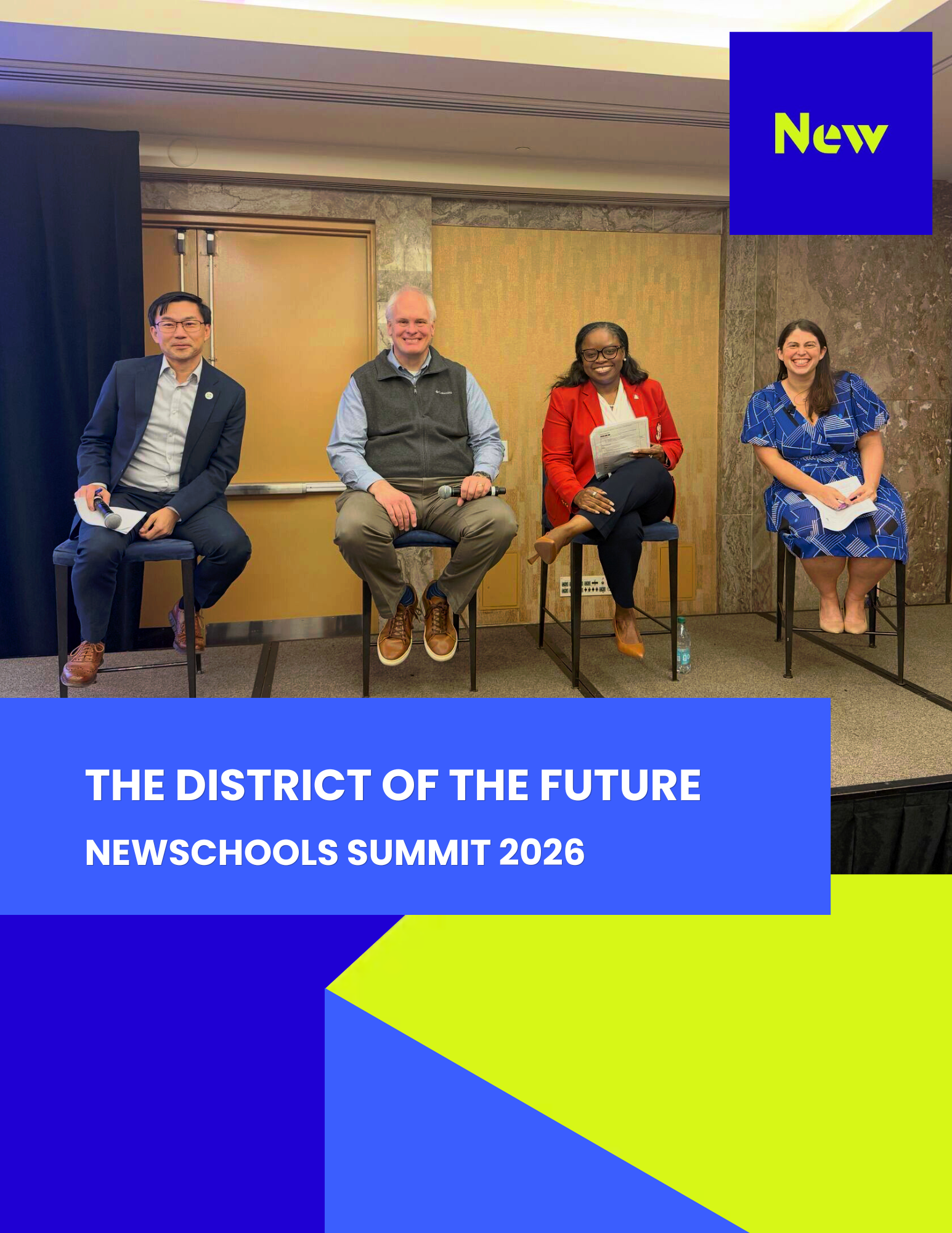
Moderator Tressa Pankovits brings together Texas State Representative Brad Buckley, Colorado State Representative Eliza Hamrick, Rural Schools Innovation Zone Executive Director Michael Gonzalez, and Empower Schools CEO and Partner Alyssa Morton. The panel moves between policy and practice, showing how shared programs can respond to local workforce needs while allowing students to remain connected to their schools and communities.
The discussion also explores the bipartisan appeal of Rural Collaboratives, the funding and transportation systems required to make them work, and how the model is being adapted in Texas, Colorado, Indiana, New Mexico, and other states.
Speakers
Tressa Pankovits, moderator and Co-Director of the Reinventing America’s Schools Project, Progressive Policy Institute
Representative Brad Buckley, Texas House District 54 and Chair of the Texas House Public Education Committee
Representative Eliza Hamrick, Colorado House District 61 and retired educator
Michael Gonzalez, Executive Director, Rural Schools Innovation Zone
Alyssa Morton, CEO and Partner, Empower Schools
Video highlights:
5:02 | Why rural districts struggle to offer complete career pathways: Alyssa Morton explains how smaller budgets, limited employer and higher education networks, difficulty recruiting specialized teachers, and less access to college and career counseling can leave rural students with fewer meaningful options.
7:09 | How Rural Collaboratives address those barriers: Morton describes how districts share pathways aligned with high-wage, high-demand regional careers, giving students more choices while strengthening local workforce development and economic mobility.
8:28 | The policy behind Texas R-PEP: Representative Buckley explains why the Rural Pathway Excellence Partnership program attracted bipartisan support and how its focus on graduation, dual credit, industry credentials, and college, career, and military readiness aligns with priorities across the Texas Legislature.
12:36 | Colorado’s career-connected learning strategy: Representative Hamrick discusses credential stacking, credit transfer, longitudinal data, school accountability, and competitive grants supporting cross-district collaboration and work-based learning.
17:28 | Inside the Rural Schools Innovation Zone: Michael Gonzalez describes shared academies in skilled trades, health sciences, education, cybersecurity, robotics, GIS, and uncrewed flight. He also shares results including a 96 percent graduation rate, quadrupled dual-credit participation, and 52 percent of seniors earning an industry-based credential.
26:04 | How the model is funded and sustained: Gonzalez explains how the Zone moved from School Action Fund startup grants to a shared tuition model using Career and Technical Education allotment funding, supplemented by Perkins funds and the new R-PEP funding structure.
30:03 | Sharing programs across Colorado districts: Hamrick describes how Fremont County districts coordinate transportation and allow students to travel between specialized programs in agriculture, animal science, welding, aerospace, and other fields.
38:19 | Adapting Rural Collaboratives across the country: Morton explains how the core model is taking different forms in Texas, Colorado, Indiana, and New Mexico, including student-run businesses that provide meaningful work-based learning when local employer partners are limited.
45:09 | What is next for the Rural Schools Innovation Zone: Gonzalez discusses expanding student-run businesses, entrepreneurship, P-TECH, early college opportunities, medical certifications, and pathways that allow students to earn associate degrees shortly after high school.
51:05 | Why career pathways attract bipartisan support: Hamrick and Buckley discuss the shared need to grow local nurses, welders, plumbers, educators, and other skilled professionals, along with the importance of grant support, technical assistance, and simplified CTE teacher certification for rural districts.
58:40 | A pragmatic case for sharing resources: The panel closes by considering how districts in rural, suburban, and urban communities can avoid duplicating expensive programs and instead share specialized staff, equipment, and learning opportunities.
Best for: Rural district and school leaders, state policymakers, education agencies, workforce and higher education partners, regional service organizations, employers, and community leaders interested in developing or supporting Rural Collaboratives.